


Scientists Propose Star-Shaped Diffusion Model
Scientists at the AI Research Centre and the Faculty of Computer Science at HSE University, the Artificial Intelligence Research Institute (AIRI), and Sber AI have come up with novel architecture for diffusion neural networks, making it possible to configure eight distinct types of noise distribution. Instead of the classical Markov chain model with Gaussian distribution, the scientists propose a star-shaped model where the distribution type can be selected and preset. This can aid in solving problems across various geometric modalities. The results were presented at the NeurIPS 2023 conference.

New Method Enables Dyslexia Detection within Minutes
HSE scientists have developed a novel method for detecting dyslexia in primary school students. It relies on a combination of machine learning algorithms, technology for recording eye movements during reading, and demographic data. The new method enables more accurate and faster detection of reading disorders, even at early stages, compared to traditional diagnostic assessments. The results have been published in PLOS ONE.

Mongolia's Forests Found to Be Poorly Adapted to Climate Change
Compared to meadows and steppes, the montane forest ecosystems in Northern Mongolia display less self-organisation, making them more susceptible to the impacts of climate change. This is the conclusion of a team of researchers led by Robert Sandlerskiy, Head of the International Laboratory of Landscape Ecology of the HSE Faculty of Geography and Geoinformation Technology. The results of the study have been published in a special issue of Entropy.
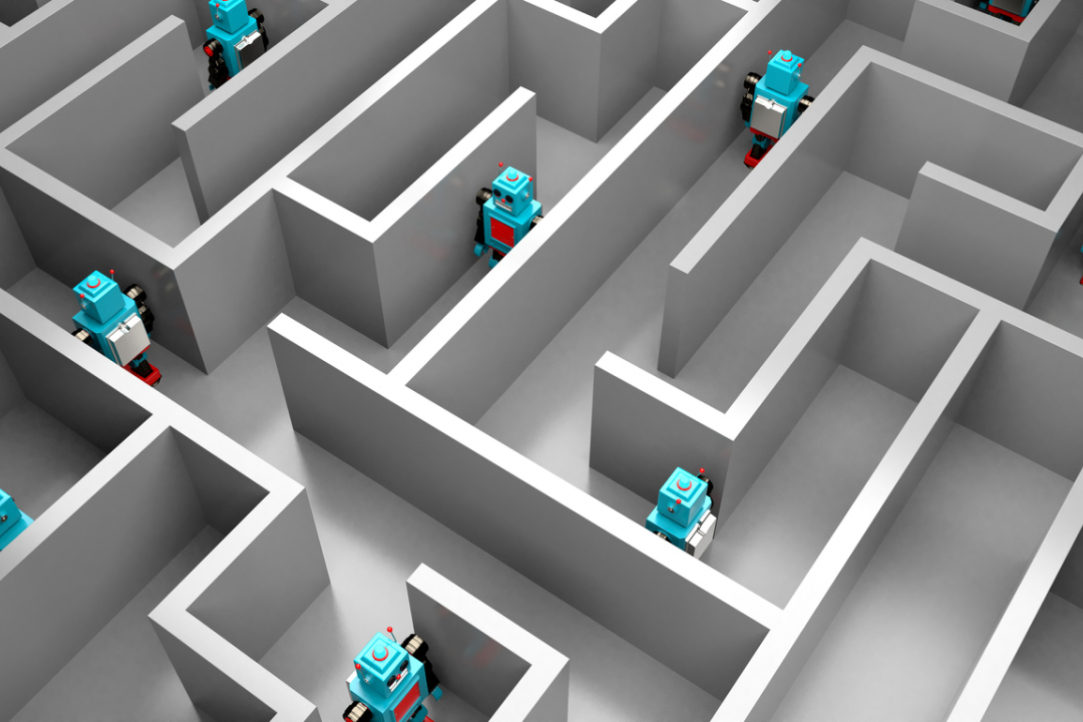
Russian Researchers Improve Neural Networks' Spatial Navigation Performance
Researchers at HSE University, MISiS National University of Science and Technology, and the Artificial Intelligence Research Institute (AIRI) have developed an enhanced approach to reinforcement learning for neural networks tasked with navigation in three-dimensional environments. By using the attention mechanism, they managed to improve the performance of a graph neural network by 15%. The study results have been published in IEEE Access.
Parietal Cortex Influences Risk-Taking Behaviour
Making decisions in situations involving risk and uncertainty is an inherent aspect of our daily lives. Should I obtain luggage insurance for my flight, cross the road when the light is red, or leave my current job for a new opportunity? Researchers at the HSE Institute for Cognitive Neuroscience conducted an experiment to clarify the role the parietal cortex plays in decision-making in the context of risk. They found that suppression of activity in the parietal cortex resulted in subjects being less inclined to take risks. A paper with the study findings has been published in Cerebral Cortex.
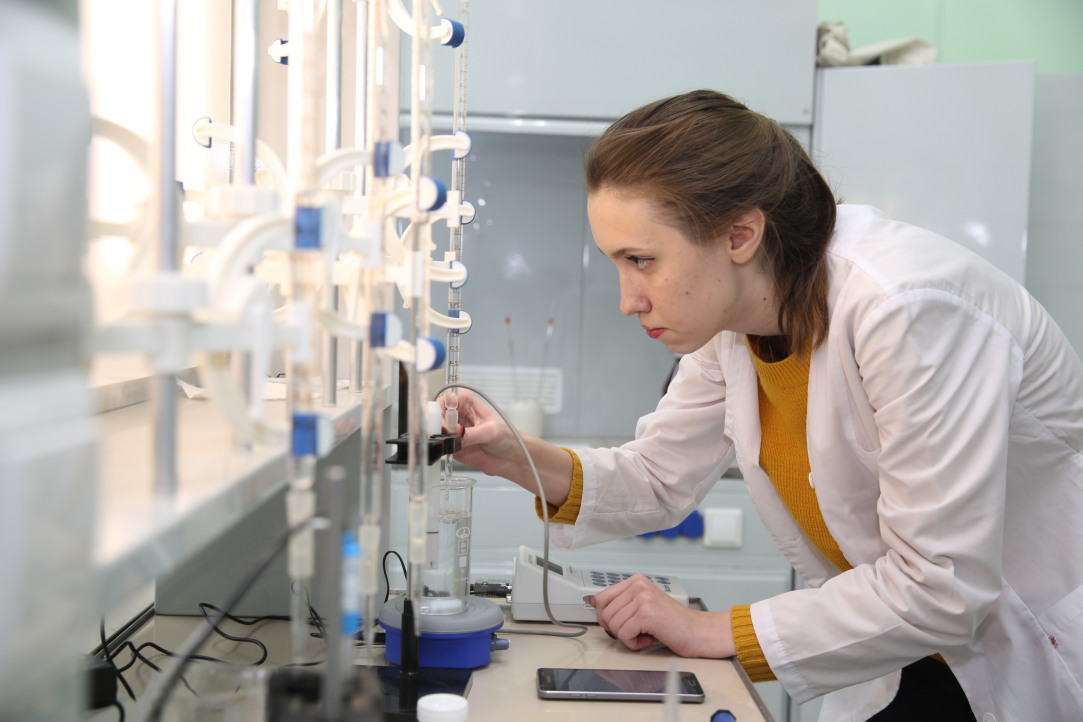
HSE ‘Mirror Laboratories’ Project Marks Five Years since Start
‘Mirror Laboratories’ is one of the flagship programmes of the HSE University aimed at developing domestic scientific partnerships. During the implementation of the project, 41 research projects were initiated in partnership with 30 regional universities and scientific organisations. A series of round tables timed to coincide with the fifth anniversary of the ‘Mirror Laboratories’ project, were held at the HSE University on April 24–25, 2024.
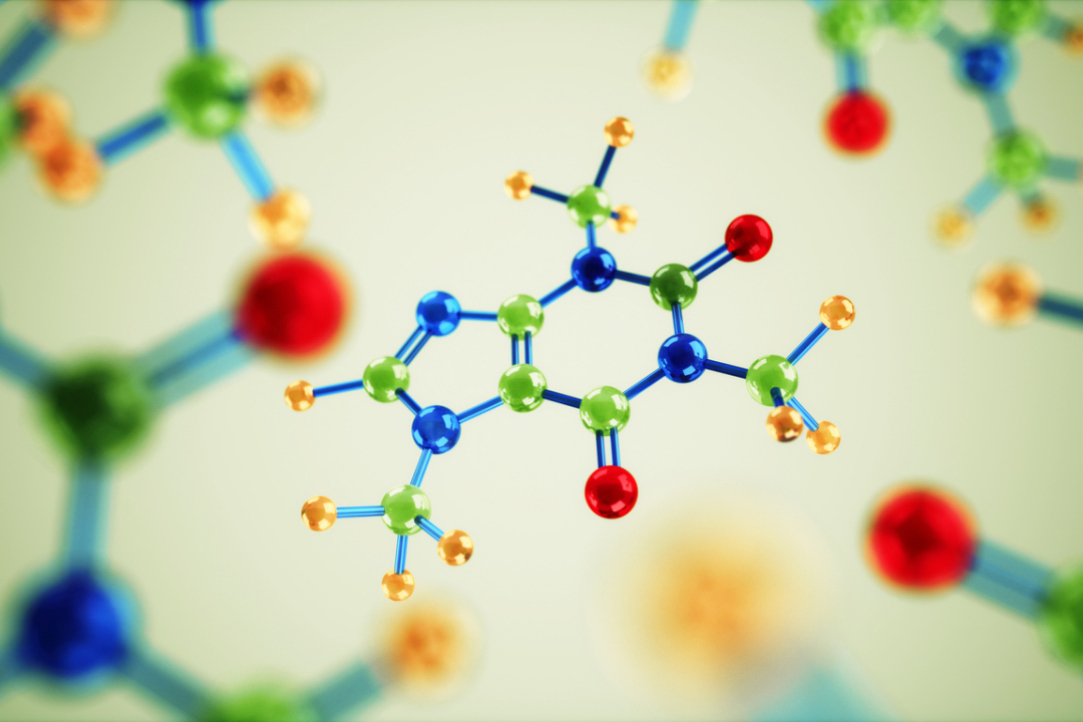
Russian Chemists Develop Luminous Pseudosandwich Composed of Rare Earth Metals
A team of Russian researchers has successfully synthesised a new class of complex compounds of rare earth elements. Unlike other lanthanide compounds, the resulting substances are highly soluble in most organic solvents. These novel compounds can find application in organic and organometallic synthesis, as well as in the production of new luminescent materials. The study has been published in Inorganic Chemistry.

Commitment to a Healthy Lifestyle Varies across Russian Regions
Economists at HSE University have assessed the impact of smoking, alcohol consumption and sports participation on life expectancy in Russia. These factors were found to vary significantly across regions; therefore, efforts to promote healthy lifestyles in each region should take into account local characteristics. The paper has been published in Public Health.
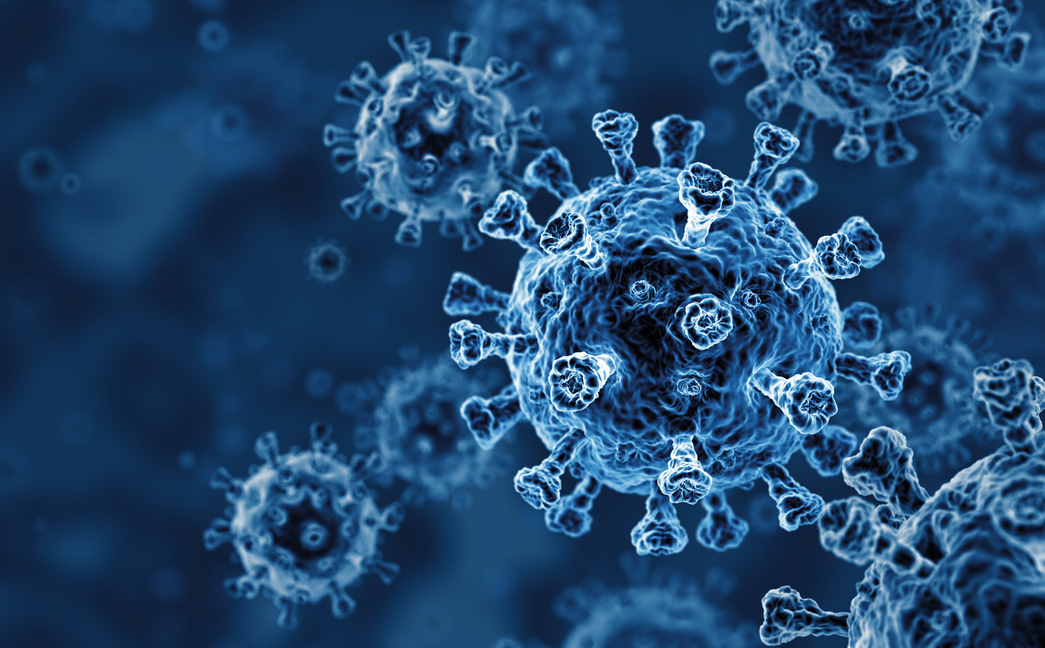
Immortal Cells and Mathematics Reveal Mechanism behind Coronavirus Infection
A mathematical model has helped describe the course of infection caused by two variants of coronavirus: Omicron and Delta, and explain the differences between them. It appears that the cell entry rate is lower for Omicron, allowing infected cells ample time to alert neighbouring cells of the threat and trigger the activation of their innate immune response. In the future, the developed model could be employed to investigate any other variant of COVID-19, potentially leading to effective strategies for combating new hazardous strains, such as Pirola and JN.1. The findings from the study conducted with the participation of HSE researchers have been published in PeerJ.

Workaholism Helps Young Narcissists Boost New Venture Performance
An international team of researchers including Professor Galina Shirokova, Director of the Strategic Entrepreneurship Centre at HSE University in St Petersburg, and her students Nailya Galieva and Diana Doktorova, examined the impact of narcissism on young entrepreneurs' success. The authors have demonstrated that a company founder's workaholism can amplify the influence of narcissism on a new venture's performance.