

‘A New World Order Must Be Human-Centred’

The School of International Regional Studies at the HSE Faculty of World Economy and International Affairs (WEIA) held the International Conference ‘The World Majority and the West amid Geoeconomic and Civilisational Transformations.’ This was the seventh time the conference had taken place, bringing together researchers from 13 countries.
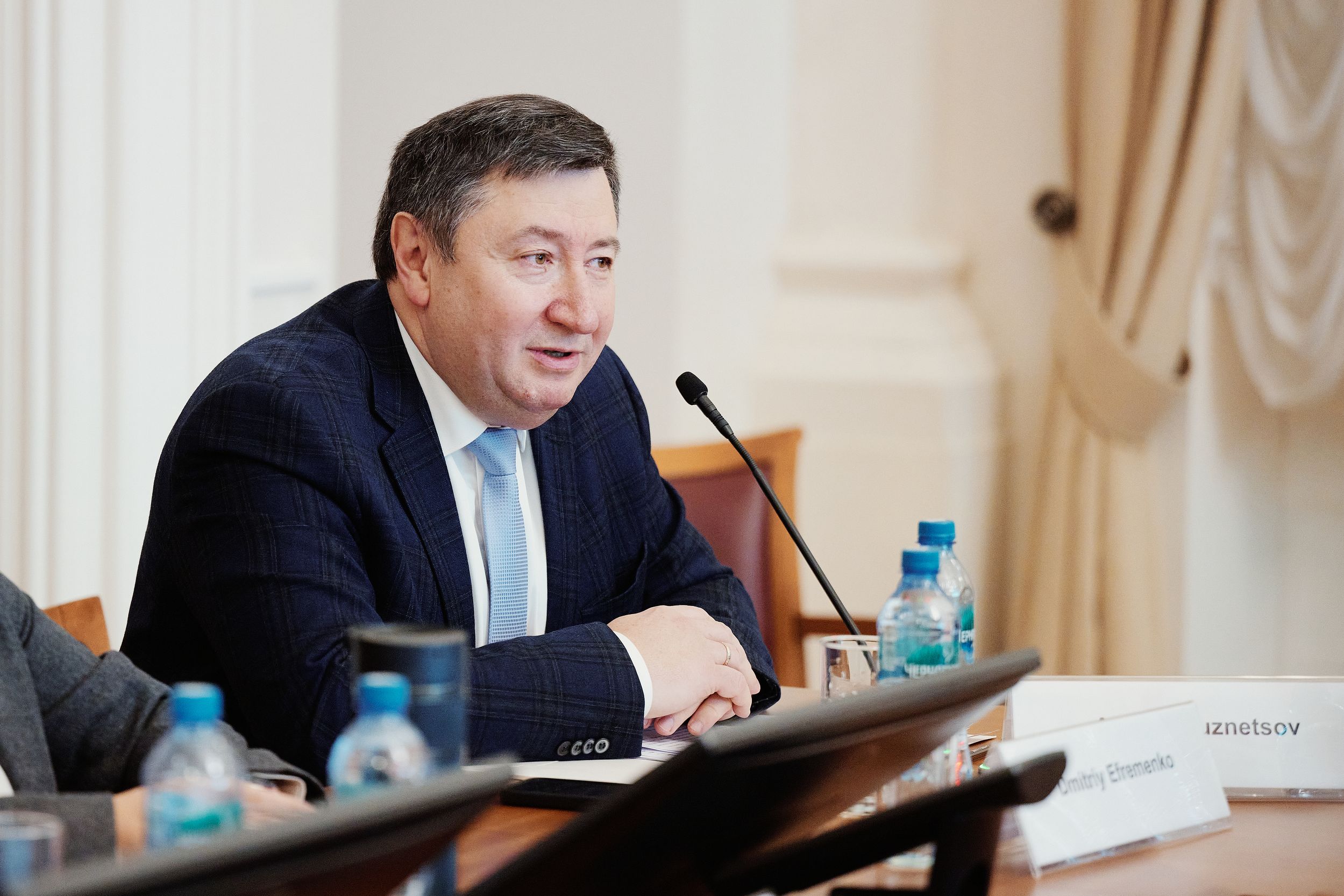
In his opening remarks, Dmitry Efremenko, Head of the School of International Regional Studies, stressed that the ‘world majority’ should not be seen as an amorphous conglomerate of actors with sharply differing interests. It consists of several groups of countries that hold most of the world’s population and natural resources and are striving to create a new system of international relations based on mutual respect and recognition of national and regional specificities. According to him, the transformations envisaged by the world majority will result in a new, post-Western world order.
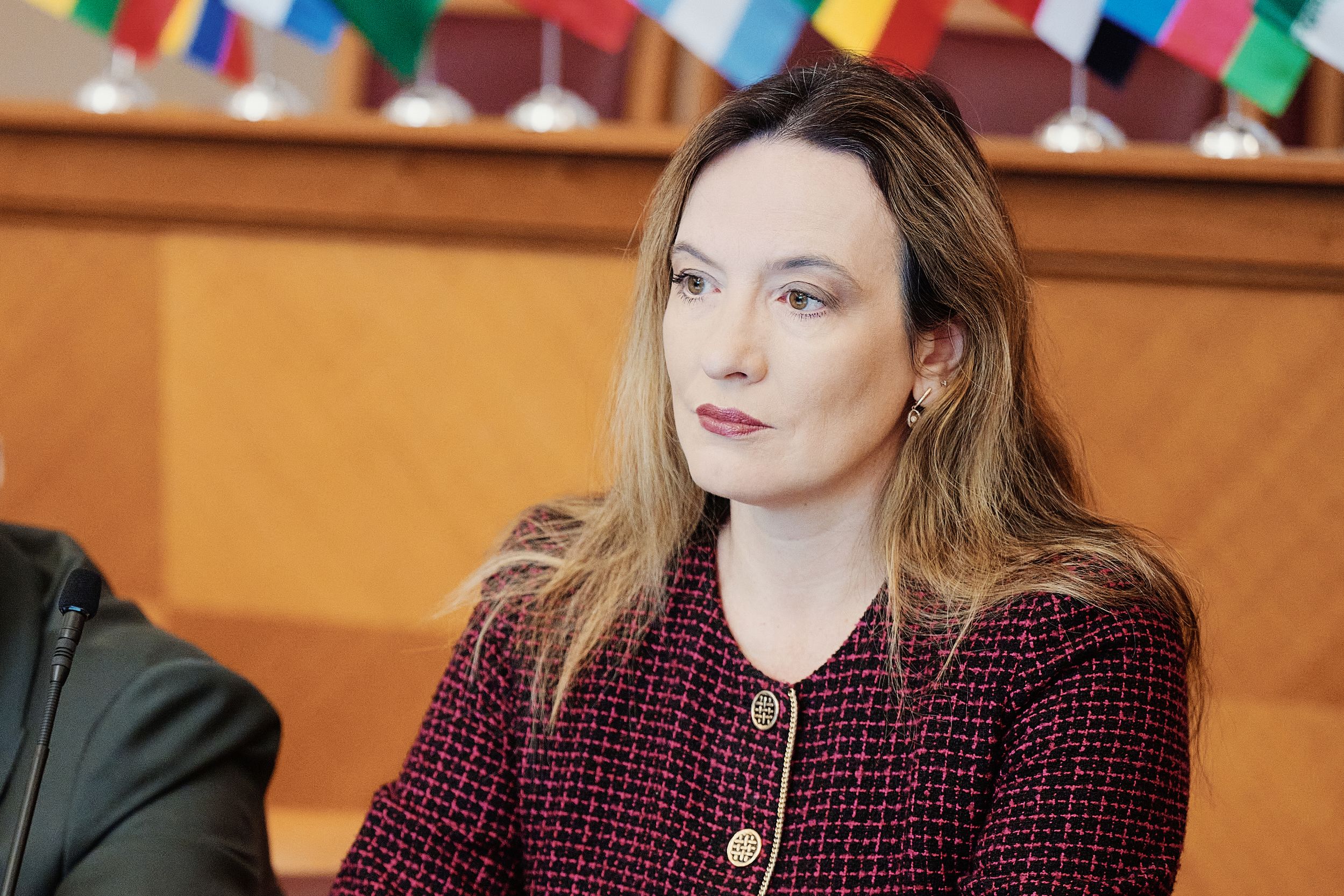
Victoria Panova, HSE Vice Rector, emphasised that since the term ‘world majority’ first appeared, it has gained substance. It is now perceived not as the Global South, but as a group of countries seeking a fairer world order and capable of supporting one another—something that provokes a sharp reaction from the West. The countries of the world majority, she noted, bear a particular responsibility for the fate of the world. Victoria Panova named the collapse of the Western-centred world order and the West’s unwillingness to take into account the interests of other countries as the main reasons for growing global tensions.
‘We are ready for a world order that takes the interests of all countries into account. Current alliances, including BRICS, the SCO, and the G20, can develop the rules so needed by the global community,’ the vice rector stated. She drew attention to the rapid growth of trade between BRICS countries, which outpaces the global average, as well as the gradual move by many states away from the dollar as a settlement currency in interstate trade.
Victoria Panova believes that the consolidation of the world majority is creating the foundations of an international relations system capable of ensuring the prosperity of all countries.
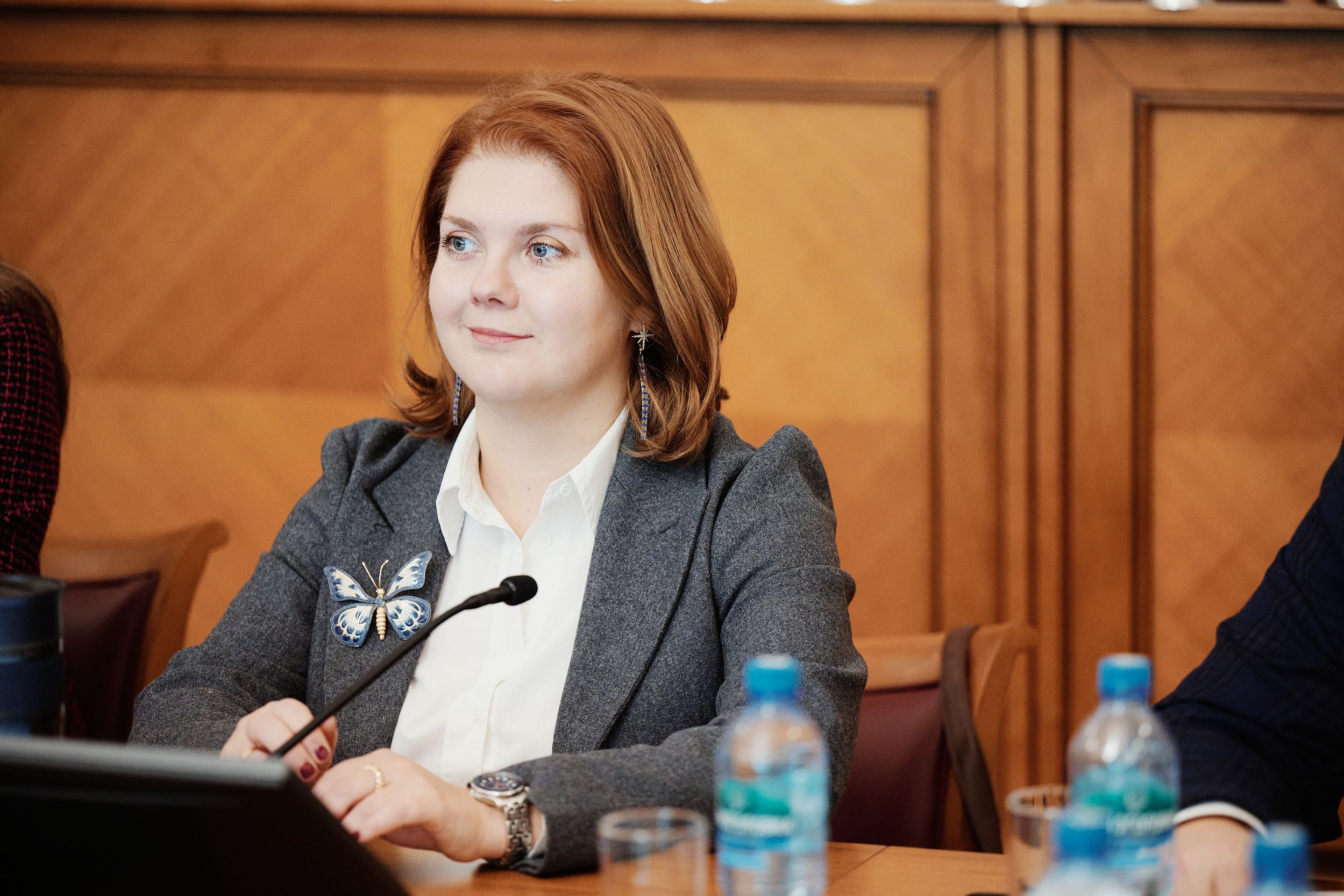
In turn, Anastasia Likhacheva, Dean of the HSE Faculty of World Economy and International Affairs, noted that in the seven years since the first conference on the world majority, the world has undergone profound transformation, and research in international relations has shifted accordingly towards geoeconomics.
She highlighted the critical importance of deep expertise on countries across different regions. Anastasia Likhacheva reminded the audience that HSE has many specialists who regularly visit Asian, African, and Latin American states, study developments on the ground in detail, and are ready to share their knowledge with students and colleagues. The dean added that the current conference features researchers from 13 countries. ‘I am grateful to our international colleagues for the opportunity to check and recalibrate my own picture of the world,’ she said.
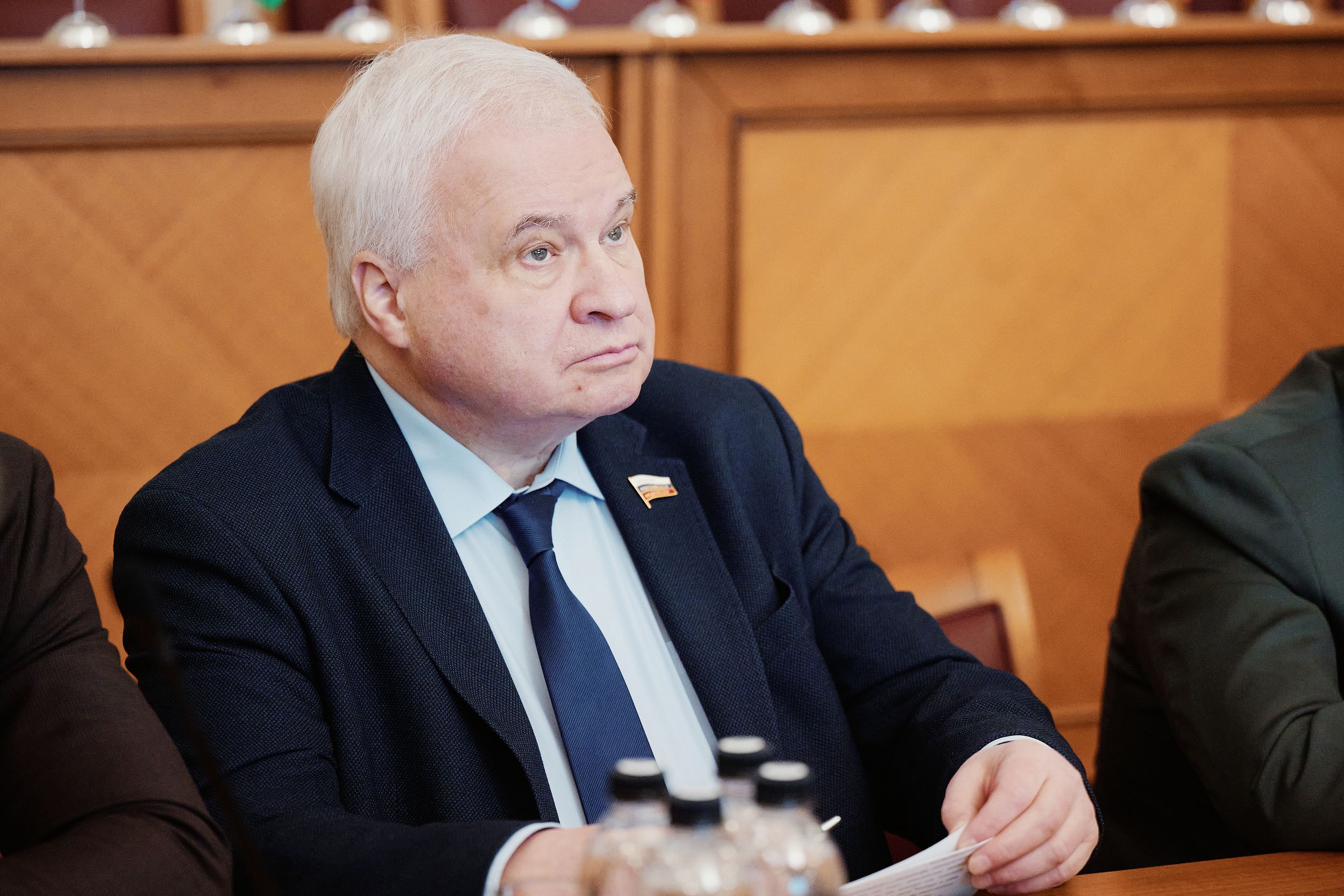
Andrey Denisov, First Deputy Chair of the Federation Council Committee on Foreign Affairs and former Russian Ambassador to China, noted that at a time of tectonic shifts in global politics, it is important to understand whether the world majority has recognised itself as an independent force, and whether the unity of the West still holds.
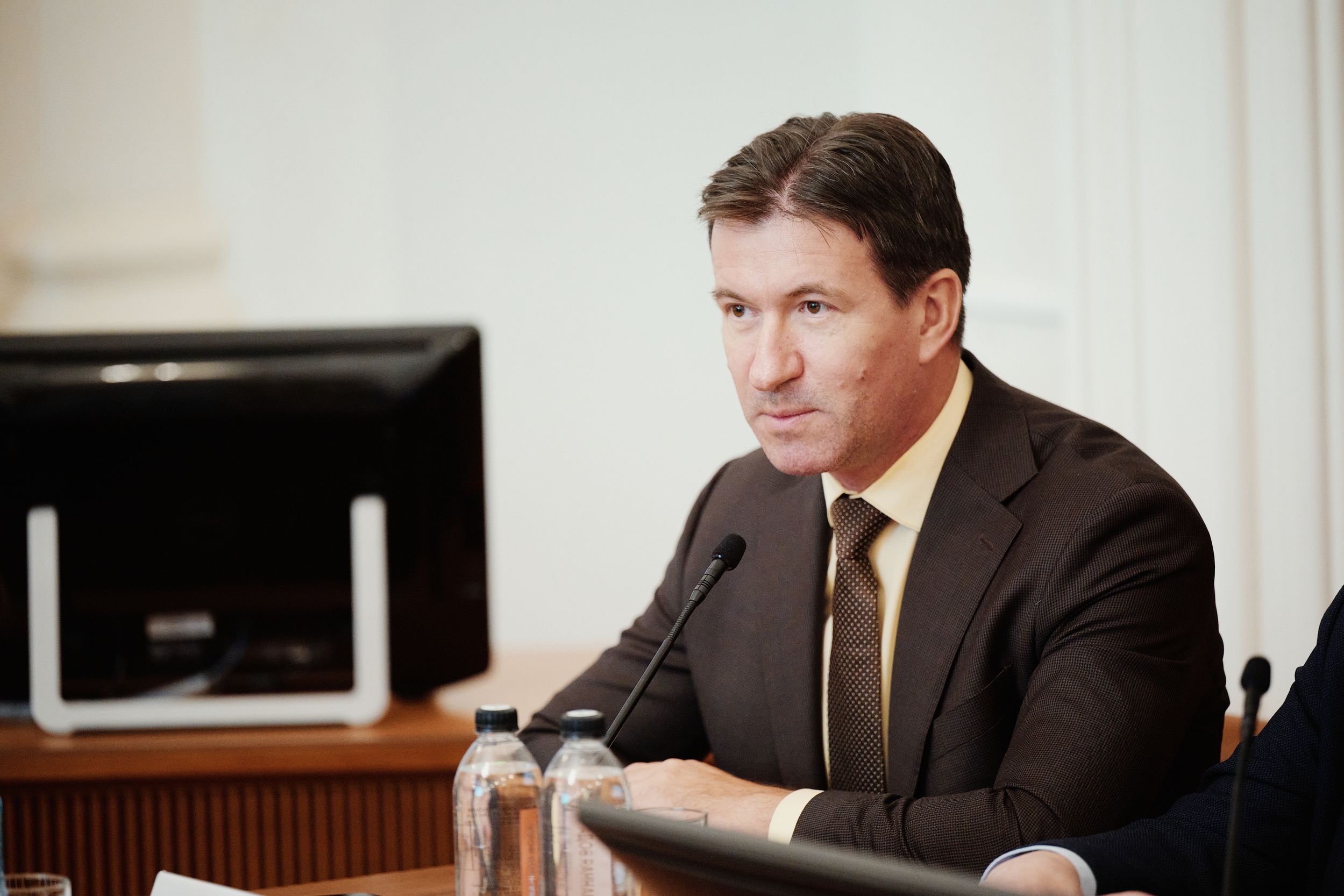
Kirill Babaev, Director of the RAS Institute of China and Contemporary Asia (ICCA), believes that the previous system of international relations has collapsed and a new one is emerging. Current conflicts, he is convinced, will end with negotiations and the establishment of a new international order.
The ICCA Director said that the conference offers an opportunity to express and debate new ideas needed for Russia’s foreign policy. He noted that the term ‘world majority’ has taken root in Chinese academic discourse as well, where the term ‘Global South’ had previously been preferred. Kirill Babaev argues that the shift of the world majority from a purely numerical concept to a practical one is unfolding in parallel with growing contradictions within the West. This, he believes, gives researchers and students the chance to propose unconventional ideas and promote them to policymakers.
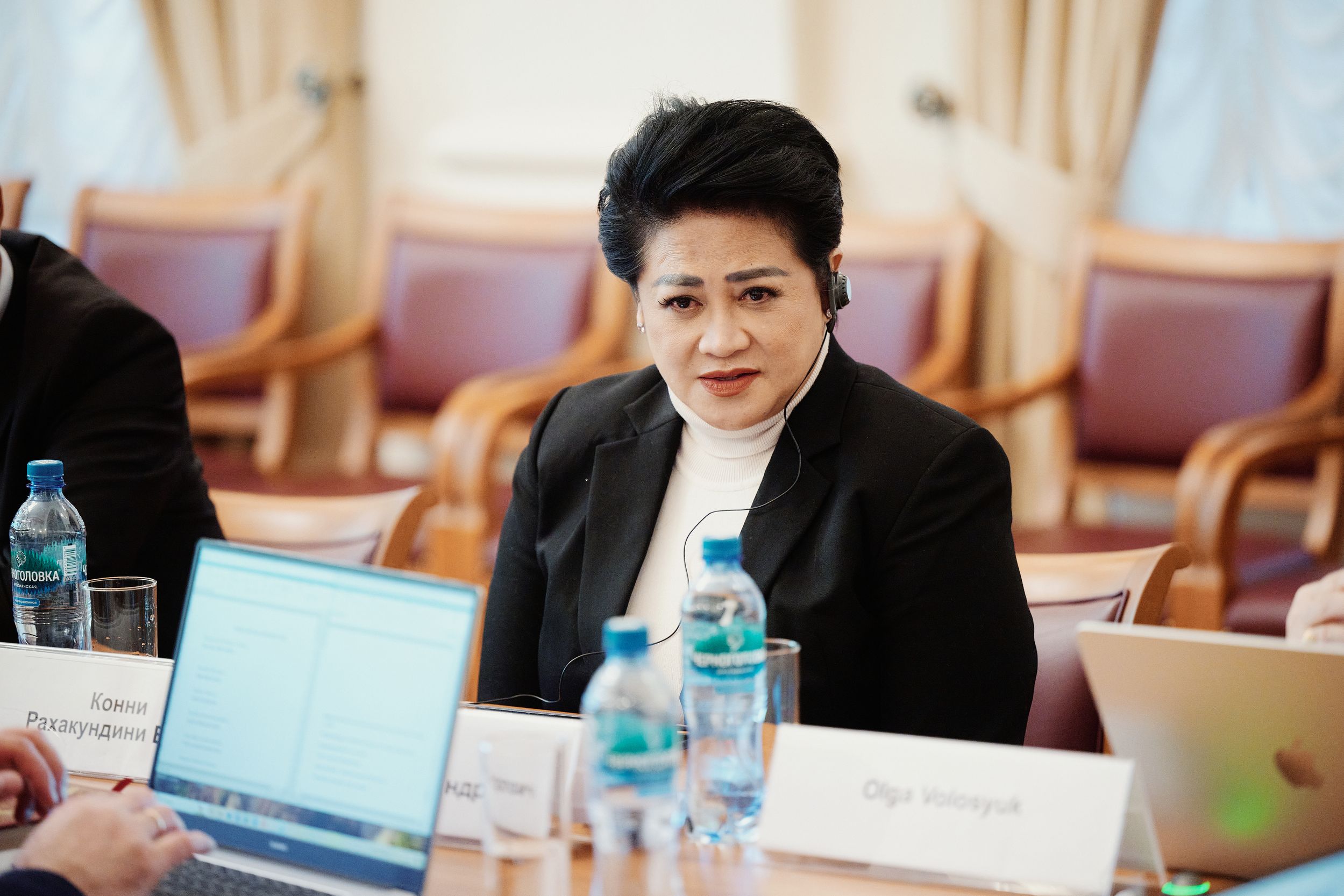
Connie Rahakundini Bakrie, Professor at the Faculty of International Relations, St Petersburg State University, pointed out that most of the world’s population and resources lie outside the West, and the events of recent years have shaken the system of international institutions. She is confident that the world majority is building a pluralistic world order in which humanism and self-respect will be the key priorities.
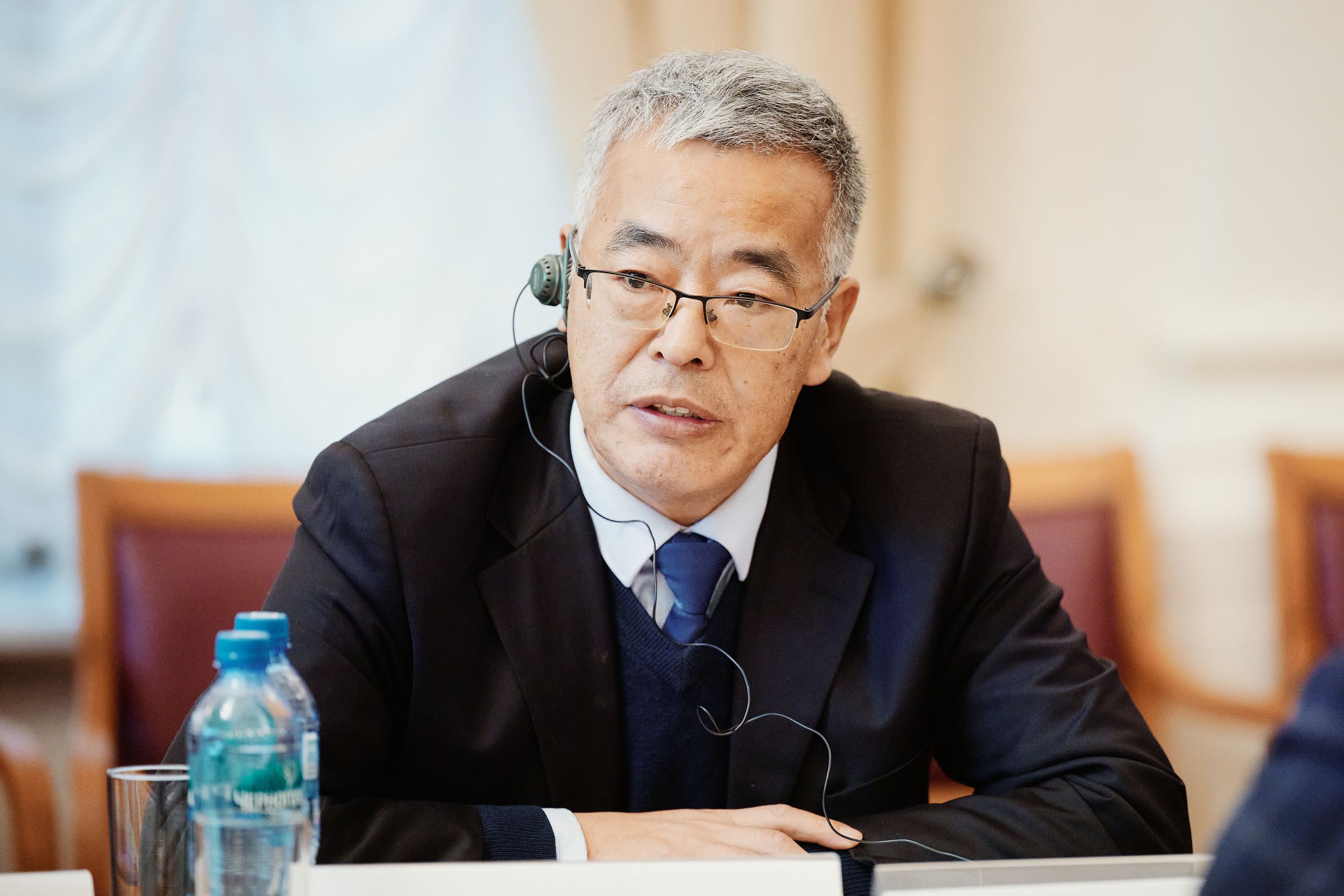
Su Changhe, Dean of the School of International Relations & Public Affairs at Fudan University, described the ‘world majority’ as a highly significant concept and model of world order that helps to better understand the nature of the transformation of global politics. In his view, the world majority aspires to historical justice and the democratisation of the international system. He stressed the importance of continued cooperation between Russia and China, and in particular the deepening of ties between Fudan University and HSE University.
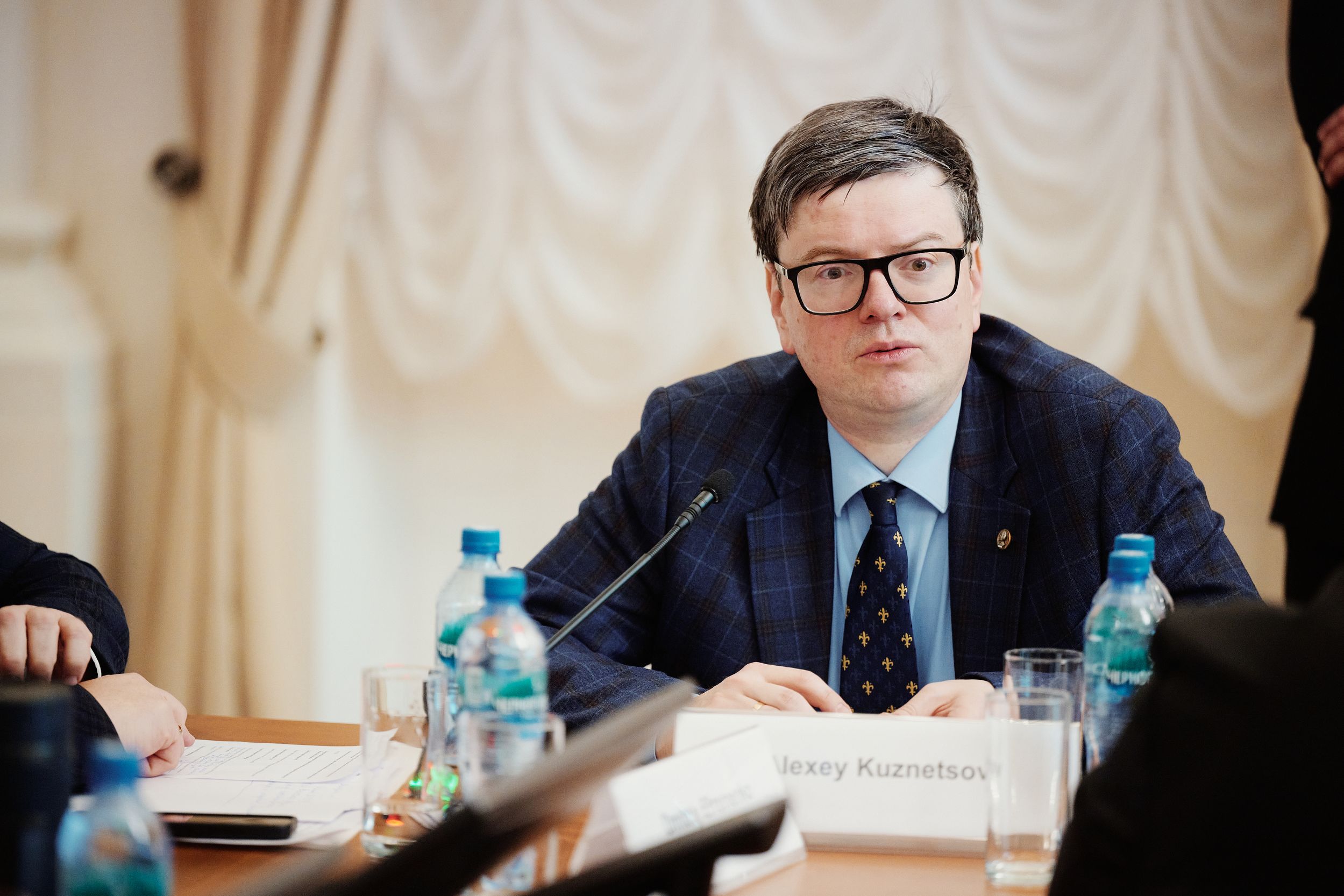
Alexey Kuznetsov, Director of the Institute of Scientific Information for Social Sciences (INION RAS), noted that the conference at which the notion of the world majority had been formulated is evolving together with the development of the world majority itself, reflecting the global shift towards greater fairness for previously oppressed countries. The world is becoming polycentric, he said, and Russia is playing a key role in the ongoing changes.
Sergey Karaganov, Academic Supervisor of the HSE Faculty of World Economy and International Affairs (WEIA), delivered the plenary lecture ‘Where Should Russia Go in a Rapidly Changing World?’ He reminded the audience that the term ‘world majority,’ along with a number of other well-known concepts—including ‘pivot to the East’—originated at HSE. According to Sergey Karaganov, without Russia’s initiative, which after the Soviet Union’s collapse became the informal leader of the world majority, this group of countries would not have been able to free itself from Western dominance. In his view, history and the global order have now returned to their natural course, which was interrupted at the turn of the sixteenth and seventeenth centuries when the West achieved military superiority. In 1917, Russia ‘broke away’ from the West, and from the 1950s onwards the West lost the ability to impose its values by force—something that became evident in the Korean War, the decolonisation of Africa, subsequent conflicts in the Middle East, and the Vietnam War.
The WEIA Academic Supervisor argues that the world majority has not yet fully taken shape, and is unlikely to become formally established any time soon, but its institutional foundations have already been created. To continue building a new system of international relations, he said, it is necessary to develop parallel institutions, above all financial and economic ones.
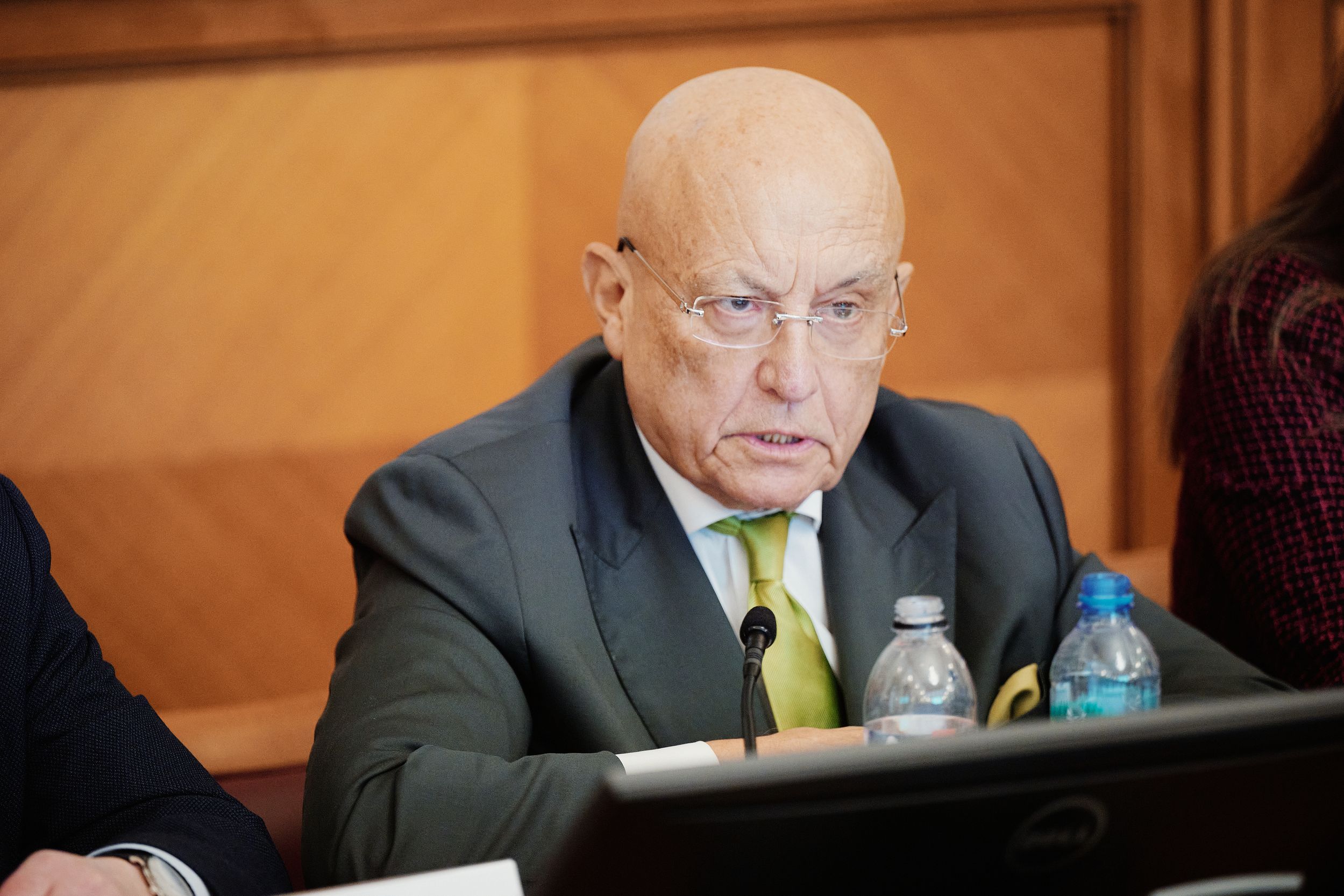
Another challenge identified by Sergey Karaganov is the West’s dominance in intellectual production and the media. Even leaders and members of the intellectual elites in many countries start their day by consulting Western media. He stressed the importance of uniting universities and intellectuals from world-majority countries to fill the intellectual vacuum and counter Western narratives.
He is convinced that Russian scholars, together with colleagues from other countries, must lay the foundations for a new system of international relations and the global economy. Intellectuals, he said, need to reflect on what might replace the currently dominant form of capitalism, which no longer drives development and has lost its ethical foundations by focusing on ever-growing consumption. This growth is increasingly at odds with the interests of humanity. For example, rising carbon emissions have been a direct result of excessive consumption.
In Sergey Karaganov’s view, a new world order must be human-centred, placing the benefit of society and the individual at its core—although this should differ from Western individualism. A shift towards human-centrism means prioritising people’s spiritual, cultural, physical, and ethical development, rather than their wealth, as well as emphasising the security of the individual and society.
‘We must strive to ensure that more countries culturally close to us join the world majority. We should not forget the achievements of the West or reject the capital accumulated during its period of dominance; we must make use of it while pursuing our own path,’ Sergey Karaganov concluded.
The discussion of the report featured contributions from Olga Volosyuk, Academic Supervisor of the HSE School of International Regional Studies; Vasily Kuznetsov, Deputy Director of the Institute of Oriental Studies, RAS; and HSE University Master’s student Nabu Salah.
The conference continued with thematic regional sessions.
See also:

Teach for HSE Seminar Focuses on Online Projects
In April, the Teach for HSE Project hosted an online seminar, ‘International Virtual Exchange in Your Classroom: No Visa Needed’. Seminar participants discussed the 2020-2021 Russian-Japanese Student International Research Programme, ‘Northeast Asia since 2012: Political and Economic Analysis’, which was held jointly by the School of International Regional Studies of the HSE Faculty of World Economy and International Affairs and the Institute for Asian Studies and Regional Collaboration of Akita International University (Japan).
International Regional Studies: Russia’s Big Hunt for Global Markets
The Second International Conference ‘East and West in the New Transformation Phase: Asia Encountering the Challenges Of Deglobalization’ will be held from December 16-17, 2020. According to Vera Vishnyakova, Head of theFaculty of World Economy and International Affairs School of International Regional Studies, it will be the first event to discuss the most pressing questions in contemporary international regional studies.